

 Feed back
 Privacy Policy
AquaStell

Home>
Sci-Fi Storytelling for Social Change: How South Asian Web Series Are Shaping Future Narratives
In early 2025, a 17-year-old student in Barishal, Bangladesh paused mid-scroll on her phone—not because of a meme or music video, but because she'd just watched an episode of Chrono Samadhan, a Bengali-language web series set in 2075 where time-traveling mediators resolve intergenerational trauma caused by land grabs. She posted one line online: "If we can fix the past in the future... why can't we fix it now?" Within 48 hours, that post was shared over 200,000 times. By week three, university students were staging "time-travel sit-ins" demanding justice for displaced riverbank communities.
Welcome to 2025, where sci-fi for social change isn't a niche genre—it's a movement transforming future narratives across South Asia. From Mumbai to Lahore to Dhaka, young creators are using speculative fiction not to escape reality but to redesign it.
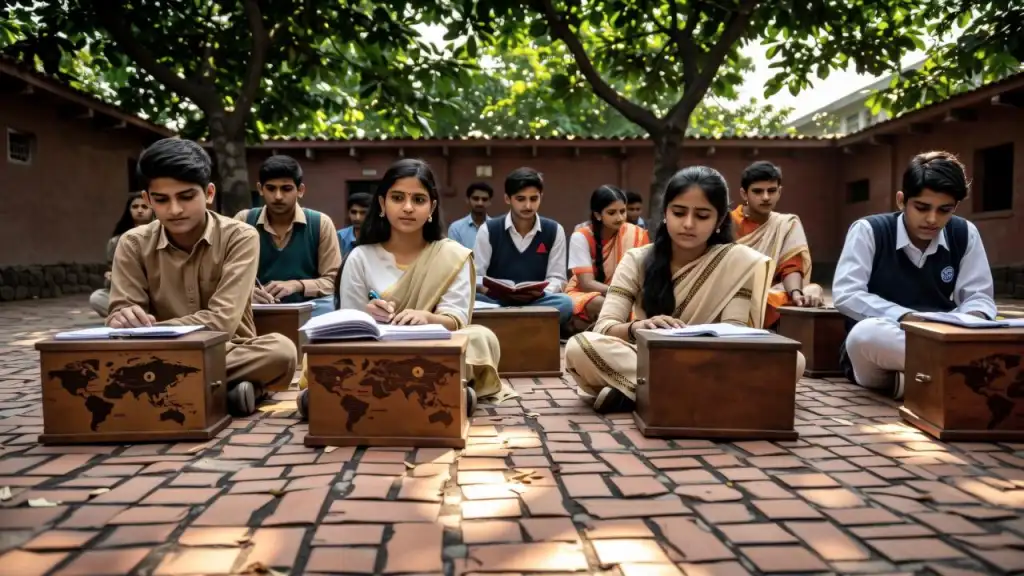
A 2024 regional survey reveals why sci-fi for social change resonates:
These statistics demonstrate how sci-fi achieves what journalism cannot—it disarms resistance through imaginative "what if" scenarios rather than confrontational arguments.
Pakistani series Biosoul exemplifies culturally-rooted speculative fiction, blending Islamic soul concepts with digital memory preservation in mango trees. Creator Zara Malik explains: "We're not copying Silicon Valley—we're coding futures with our own cultural algorithms."
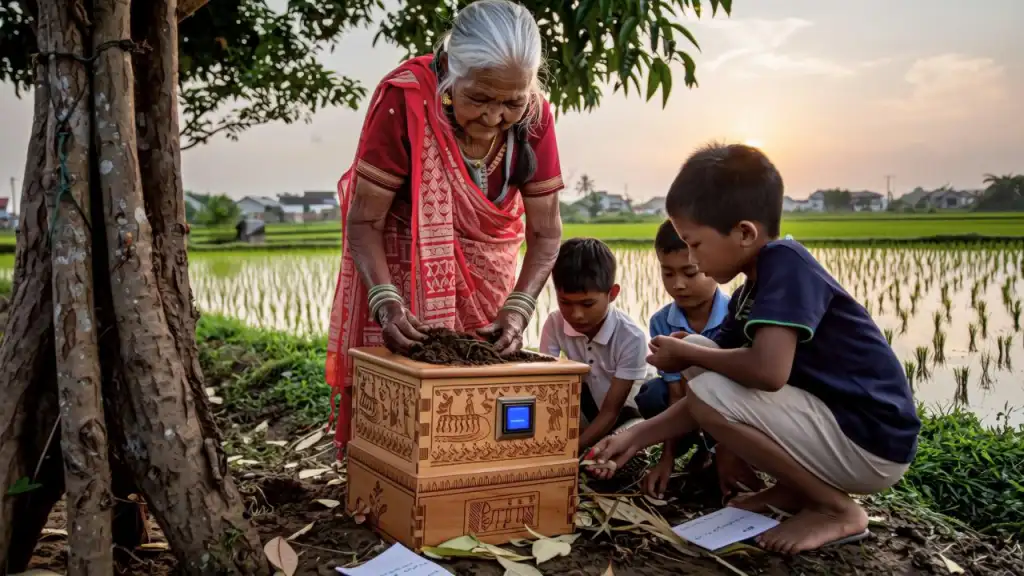
After Chrono Samadhan aired, Assam residents built DIY "memory boxes" to document land rights stories—proving how future narratives inspire real-world action. This participatory dimension distinguishes South Asian sci-fi for social change from passive entertainment.
One Tamil creator summarized this approach: "We plant narrative seeds that censors can't uproot." This methodology explains why sci-fi has become South Asia's most potent medium for social commentary.
Can sci-fi influence policy?
Indirectly—after Neural Caste trended, India's Human Rights Commission formed a caste cognition committee (2025).
Is this just escapism?
Unlike escapism, speculative fiction rehearses better realities rather than fleeing current ones.
What happens when governments ban these stories?
Bans often increase reach—some creators now design "censorship editions" with redacted scenes that fans reconstruct collaboratively.
【Disclaimer】This article about Sci-Fi Storytelling for Social Change in South Asian Web Series is for informational purposes only and does not constitute professional advice. Readers should consult qualified experts before making decisions based on this content. The author and publisher disclaim liability for any actions taken based on this information.
Arif Rahman
|
2025.11.13