

 Feed back
 Privacy Policy
AquaStell
In a converted Sufi shrine on the outskirts of Dhaka, Bangladesh, seventeen-year-old Anika Islam types furiously on her laptop. Around her, a mixed group of Hindu, Christian, and Buddhist teenagers huddle over tablets, testing an AI-powered alert system that detects hate speech in local social media posts before they go viral. It's April 2025, and this isn't a school project—it's part of the first nationwide network of *Interfaith Innovation Hubs*, grassroots labs where religion doesn't divide but *designs solutions*. Their mission? To stop violence before it starts—not with sermons alone, but with algorithms, empathy engines, and cross-faith collaboration powered by what some are calling the Aquarian Unity movement: a quiet revolution blending spirituality with technology to heal religious fractures across India, Bangladesh, and Pakistan.
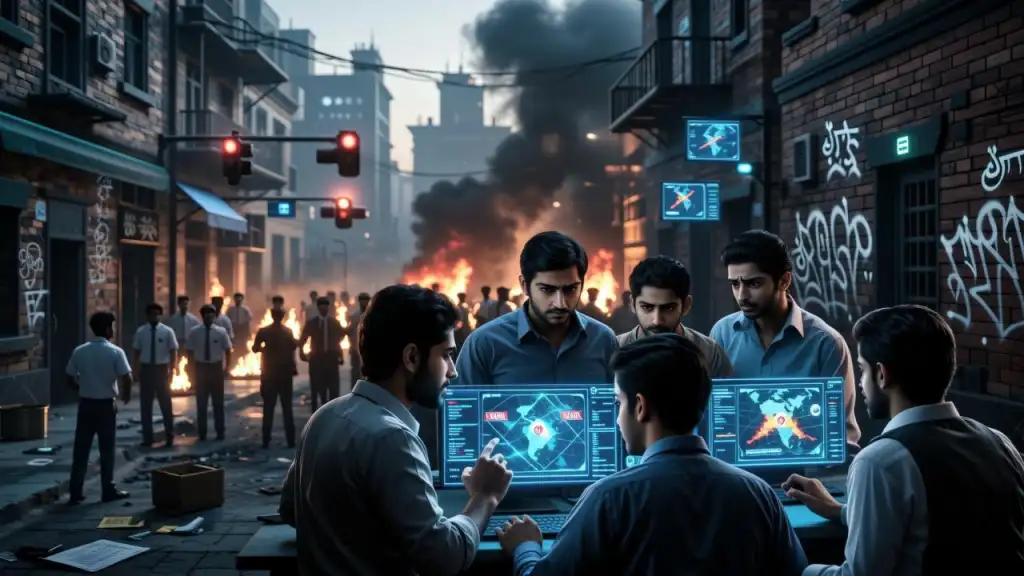
You might expect peacebuilding to mean candlelight vigils or dialogue circles. But in 2025, it looks more like a hackathon led by imams, rabbis, and sadhus wearing headsets in virtual reality temples. This is no longer speculative. Across South Asia, *interfaith innovation* has evolved from idealistic workshops into high-impact *unity projects* backed by data science, behavioral psychology, and decentralized tech. And while old conflicts still simmer—from border disputes to blasphemy laws—a new generation is rewriting the rules of coexistence through something radical: treating peace as a design problem.
Let's start with the uncomfortable truth: despite centuries of shared culture, 2025 remains one of the most volatile years for religious tension in modern South Asian history. In northern India, WhatsApp rumors about cow slaughter spark mob attacks. In Karachi, sectarian graffiti multiplies overnight. In rural Bangladesh, temple burnings follow viral sermons laced with coded extremism. According to UNOCHA reports, faith-based incidents rose 40% between 2022 and 2025—yet paradoxically, so did public demand for reconciliation.
Here's the twist: people aren't waiting for politicians. They're turning to *interfaith innovation hubs*—community-run centers where clerics train alongside coders, artists, and trauma counselors. These spaces operate outside traditional institutions, often funded by diaspora donors and global peace tech accelerators. Their model? Combine ancient wisdom with cutting-edge tools. For example, in Varanasi, a hub run jointly by a Muslim calligrapher and a Dalit coder developed a chatbot that translates Quranic verses and Bhagavad Gita passages into colloquial Hindi, helping bridge scriptural misunderstandings that fuel conflict.
But why now? Because trust in top-down diplomacy is collapsing. A 2024 Pew Research study found only 29% of Indians believe their government can fairly mediate religious disputes. Meanwhile, digital radicalization spreads faster than ever—reaching villages via cheap smartphones and unmoderated Telegram channels. So communities began asking: *If extremists use tech to divide, why can't peacemakers use it to unite?*
That's where *interfaith innovation* shifts from theory to action. These hubs don't just host dialogues—they prototype. One team in Lahore built a voice-analysis tool that detects rising emotional intensity during interreligious debates and triggers calming audio cues (think Gregorian chants layered over qawwali rhythms). Another in Kolkata created augmented reality murals showing Hindu-Muslim couples reenacting mythological love stories side-by-side with real-life interfaith families. Not art for art's sake—but behavioral nudges designed to reduce prejudice.
Imagine a mosque courtyard transformed into a coding bootcamp. Or a gurudwara kitchen serving biryani while volunteers debug a crisis-mapping algorithm. That's exactly what's happening in cities like Hyderabad (India), Chittagong (Bangladesh), and Multan (Pakistan).
Take the *Dhaka River Interfaith Hub*, housed in a repurposed colonial-era church. Every Saturday, young engineers from BUET collaborate with Buddhist monks from Theravada monasteries to refine a platform called **SanghaNet**. Using natural language processing, it scans Bengali-language Facebook groups and YouTube comments, flagging not just keywords like "kafir" or "murtad," but also context—tone, timing, geographic clustering. When risk scores spike, local mediators (trained by both religious leaders and psychologists) receive alerts and intervene *before* violence erupts.
Let's be honest: prayer matters. But if prayer alone could prevent riots, we'd have world peace by now. In 2025, even devout leaders admit that traditional methods aren't scaling fast enough. A single interfaith prayer meeting may inspire 200 people. But an app born in such a meeting can reach 2 million.
So the question isn't whether faith should guide peacebuilding—it's how to make that guidance *operational*. That's where *peace tech* enters the picture: not as a replacement for spirituality, but as its amplifier.
Consider this: in February 2025, a fake video circulated in Gujarat claiming a Hindu temple had been desecrated. Within hours, angry crowds gathered. But before police could respond, users of **ShantiMesh**—a peer-to-peer verification network developed by Ahmedabad's interfaith hub—flagged the video as AI-generated. Using blockchain timestamps and facial recognition cross-checks, the platform traced its origin to a server in Myanmar. Local clerics then livestreamed a joint statement debunking the lie. Calm returned—in under four hours.
Scaling peace requires more than goodwill. It demands infrastructure. And in 2025, *unity projects* are emerging as scalable blueprints.
In Lahore, the **NoorMediator Project** uses AI avatars modeled after revered Sufi saints to facilitate online dialogues between Sunni and Shia youth. Trained on centuries of mystical poetry and conflict-resolution texts, these digital dervishes guide conversations away from dogma and toward shared mysticism. Participants report feeling "heard without judgment"—a rare experience in polarized environments.
Meanwhile, in Bengaluru, the **Samanvay Lab** runs weekly VR sessions where Hindus, Muslims, and Christians enter immersive recreations of each other's worship spaces. You don a headset and suddenly find yourself lighting incense in a synagogue, hearing Hebrew prayers echo around you. Or standing barefoot in a mosque during Fajr, watching sunlight filter through stained glass. Studies show participants exhibit lower amygdala activation—indicating reduced fear responses—when later encountering real-life members of those faiths.
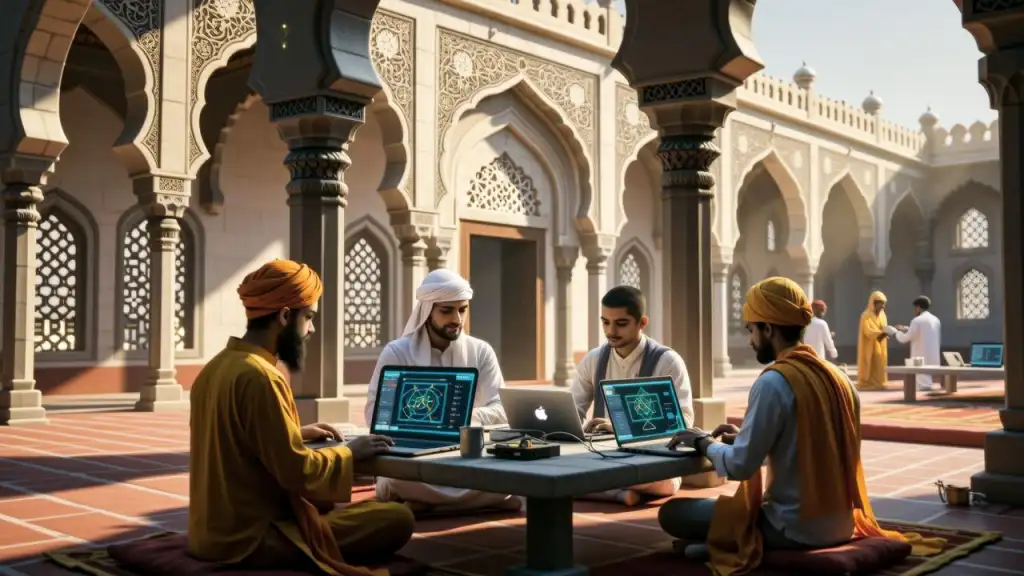
But perhaps the boldest experiment is **Project Aquarius**, named after the age of unity. Launched in late 2024, it connects 27 hubs across India, Bangladesh, and Pakistan via a secure mesh network. Each hub contributes data, stories, and innovations to a shared repository. Want to adapt Dhaka's early-warning system for Mumbai slums? Download the open-source code. Need culturally appropriate mediation scripts for Punjabi farmers? Pull them from the database.
It's Wikipedia meets the Silk Road—digital connectivity reviving ancient interfaith trade routes, this time trading ideas instead of spices.
【Disclaimer】 The content related to Interfaith Innovation Hubs: Aquarian Unity in Religious Diversity is for reference only and does not constitute professional advice in any related field. Please make decisions carefully based on your own circumstances and consult qualified professionals when necessary. The author and publisher are not responsible for any consequences resulting from actions taken based on this content.
Aarav Sharma
|
2025.11.13
