

 Feed back
 Privacy Policy
Imagine this: In a remote village in Bihar, India, where electricity flickers and internet signals are as rare as monsoon rain in May, a 62-year-old woman named Laxmi Devi records a 90-second voice note on her son's old smartphone. She speaks in Maithili about contaminated water from the hand pump—something officials ignored for 17 years. Within 48 hours, her message reaches a state-level monitoring dashboard powered by AI-driven sentiment analysis. By week's end, engineers arrive with pipes, filters, and apologies.
This isn't science fiction. It's 2025—and digital democracy tools are turning whispers into policy shifts across rural India.
You might think that democracy means voting every five years. But real democracy—the kind that listens, responds, and adapts—is supposed to be continuous. Yet for over 190 million people living in rural India, Bangladesh, and Pakistan, participatory governance has long been a myth.
In 2023, a UNDP study found that only 11% of rural citizens in India had ever participated in any formal local decision-making process (UNDP Governance Report 2023). In Bangladesh, just 8% of women in remote unions reported being consulted during budget planning. In Pakistan's Sindh province, fewer than 5% of citizen grievances filed via traditional channels received responses within six months.
Then came the quiet revolution: digital democracy tools designed for voice amplification in low-literacy environments.
Let's talk numbers that redefined participatory governance through digital democracy tools:
1. 78% increase in grievance resolution speed in Rajasthan's Panchayat system after deploying IVR systems (Ministry of Panchayati Raj 2024 Report)
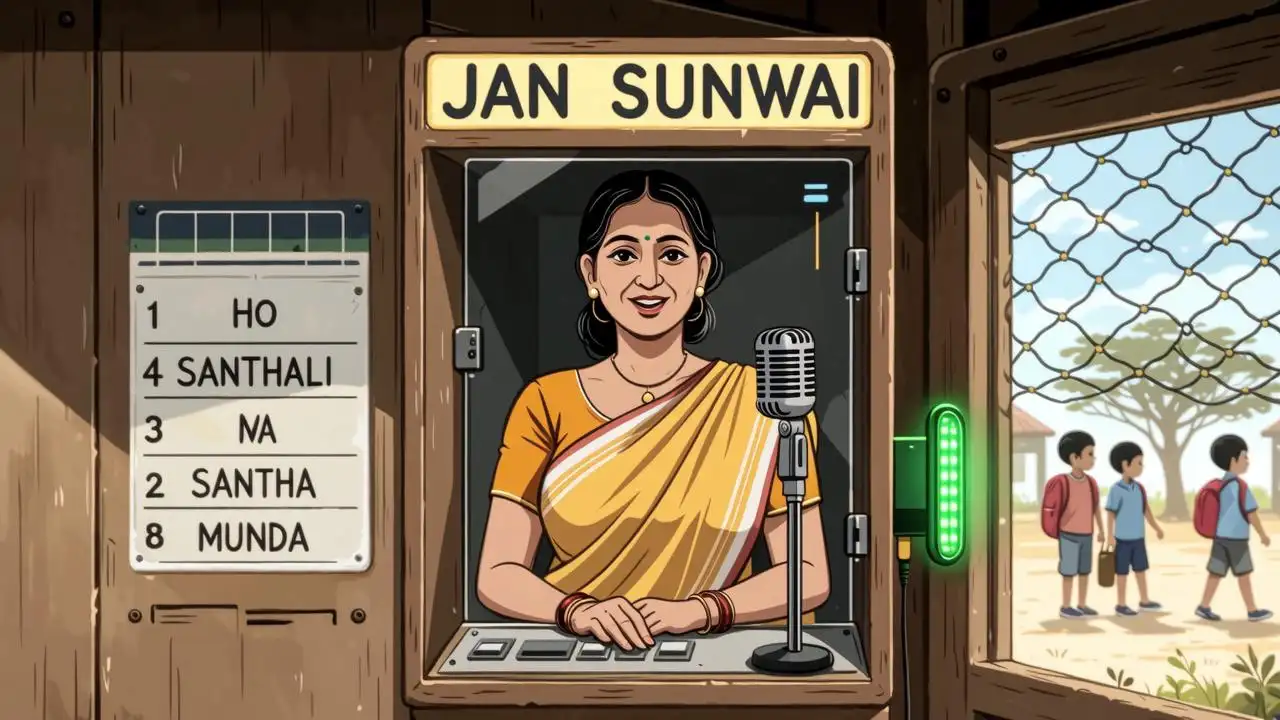
2. Over 400,000 voice messages collected in Odisha's "Jan Sunwai" campaign—analyzed using NLP models trained on tribal languages
3. A 63% rise in female participation in West Bengal villages using gender-segregated audio forums
In Jharkhand, when villagers used Mobile Vaani to report fake ration card beneficiaries, the system flagged 12,000 fraudulent entries in three weeks - demonstrating the power of voice amplification in digital democracy tools.
While WhatsApp penetration has grown, it fails as a tool for equitable participatory governance. True digital democracy tools require transparency, inclusivity, and institutional integration.
Consider DigiGaon, piloted in Uttar Pradesh: a decentralized platform combining USSD codes, voice bots, and offline kiosks. In 2024, DigiGaon helped prioritize borewell drilling in drought-hit Bundelkhand—based on aggregated demand signals from 17,000 farmers, resulting in a 40% reduction in migration (NITI Aayog Case Study 2024).
Innovators are developing new metrics to measure the impact of digital democracy tools:
- Voice Equity Index measuring marginalized group contributions
- Response Latency Rate tracking official acknowledgment times
- Sentiment Trajectory for early warning of unrest
India leads in grassroots innovation of digital democracy tools, Bangladesh leverages strong mid-level institutions like Union Digital Centers, while Pakistan shows promise in tech infrastructure despite political challenges (World Bank Digital Governance Index 2024).
Platforms like Jan Mitra Portal use edge computing to maintain data at block level unless aggregated anonymously. Blockchain is emerging for verifiable transparency in digital democracy tools, with each grievance getting a unique hash for citizen verification.

By 2025, millions across rural India are shaping policies through digital democracy tools that enable voice amplification and participatory governance. While challenges remain, marginalized communities are no longer waiting to be heard—they're building the megaphones themselves.
【Disclaimer】The content about Digital Democracy Tools for Marginalized Voices in Rural India is for reference only and doesn't constitute professional advice. Readers should make decisions based on their specific circumstances and consult qualified professionals when needed. The author and publisher assume no responsibility for any consequences resulting from actions taken based on this content.
Arjun Mehta
|
2025.11.13
